Written by Alejandra Mateo. Antonio Ramos (not his real name) left his country, Honduras, in 2012, when he was 21 years old, in a 200 people strong migrant caravan that…

Culture Without Borders
Culture Without Borders
Written by Alejandra Mateo. Antonio Ramos (not his real name) left his country, Honduras, in 2012, when he was 21 years old, in a 200 people strong migrant caravan that…

In collaboration SalamLADC , an NGO in Northern Lebanon, we discuss the situation in the country and the preparation an NGO has to do for potential war.
According to data provided by UNHCR, there are more than 10 million stateless people in the world, which means that, in terms of the 1954 Convention relating to the Status of Stateless Persons, no state recognises them as nationals by their country’s legislation. In this article, e analyze this concept and its legal implications.
However, for small and medium-scale NGOs like OCC, the path towards sustainability encompasses organizational resilience, community impact, and long-term viability. This guide serves as a tool for the dissemination of insights, strategies, and learnings, to empower NGOs facing similar challenges. By addressing critical facets of sustainability, it aims to equip NGOs not only to navigate challenges but also to anticipate, plan strategically, and contribute substantially to their respective communities.
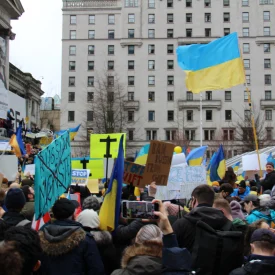
The EU showed a compassionate and coordinated response towards those fleeing Ukraine, albeit showing worrying signs of double standards within their migration policies. In this edition of Insights by OCC, we examine the EU’s response to the emergency with critical eyes.
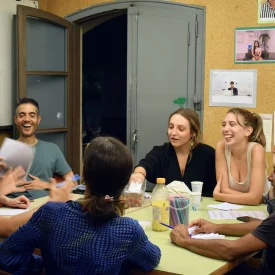
As part of the European project TOCL, which Open Cultural Center coordinates, we just published the guide ‘Translating Culture. Training Manual’.
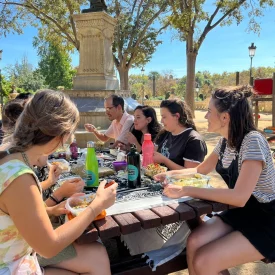
In an era marked by climate change and natural catastrophes, the intersection of environmental sustainability and migration has become an increasingly urgent and complex challenge. We just published a guide containing all our efforts to protect the planet as an NGO!
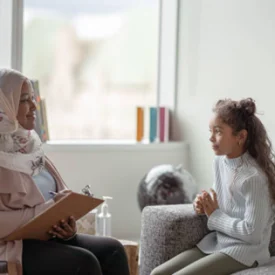
Refugees often receive mistreatment in registration centres, camps and even in schools which contribute to an increase in mental health problems such as anxiety and depression.

As part of the European project “Ukraine Now”, which brings attention to the situation of people fleeing the conflict in Ukraine, we interviewed three women who now live in Greece: Iryna and Julia C., from Kyiv; and Julia M., from Donetsk.
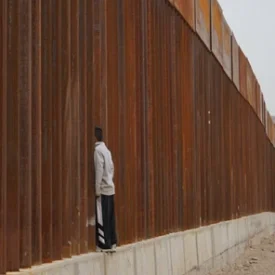
Every year, millions of people around the world leave their homes for various different reasons and migrate to another country: taking such a decision can have a strong psychological impact. Those who travel along dangerous migratory routes tend to be the most affected, as they are vulnerable to violence and exploitation. On World Mental Health Day, we want to shine a light on the importance of catering for and supporting migrants and refugees with not only their safety but also their mental health.