In this article, and linked to our previous one about externalisation of EU borders, we show how the importance of intercultural interaction within Europe through our project “INTEgreat”.


Culture Without Borders
Culture Without Borders
In this article, and linked to our previous one about externalisation of EU borders, we show how the importance of intercultural interaction within Europe through our project “INTEgreat”.

As the European Union signs more and more migration deals with countries outside of the Schengen area and of Europe, we reflect upon the effect of this externalisation of EU borders.

TOCL (‘Translation of Cultural Language’) is a European project coordinated by Open Cultural Center. It combines culture and language learning to facilitate the inclusion of migrant and refugee communities into local communities.
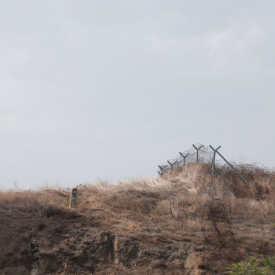
Polykastro can be seen as both a symbol of hope and a site of repression for different individuals. Local citizens, asylum seekers, humanitarian NGOs, and tourists experience this ‘borderzone’ in distinct ways, as it serves as both a ‘marker of belonging’ for local citizens and a ‘site of becoming’ for asylum seekers.

In refugee camps like the one in Nea Kavala, Northern Greece, the condition of women is often eclipsed, unheard. But despite the daily challenges and struggles, their lives and experiences tell stories of resilience.

The workers of Open Cultural Center join the 8M movements across countries and raise our voices together against precarious work, borders and genocides.

The 29th of February 2024 marked the last day of the European project Youth4All! Thanks to this project we have learned more about the inclusion of migrants and refugees in…

Written by Alejandra Mateo. Antonio Ramos (not his real name) left his country, Honduras, in 2012, when he was 21 years old, in a 200 people strong migrant caravan that…

In collaboration SalamLADC , an NGO in Northern Lebanon, we discuss the situation in the country and the preparation an NGO has to do for potential war.
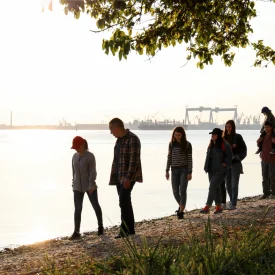
According to data provided by UNHCR, there are more than 10 million stateless people in the world, which means that, in terms of the 1954 Convention relating to the Status of Stateless Persons, no state recognises them as nationals by their country’s legislation. In this article, e analyze this concept and its legal implications.